










At a FashionXGlobal showcase in Paris, Latin American designers presented texture and technique as a new kind of luxury, and the women behind the show argued that fashion is about more than a famous name.
In a city where heritage houses have long set the definition of luxury, a different kind of collection took the runway this season, and PAGEONE Media was there to see it.
FashionXGlobal brought designers from Mexico, Colombia, Peru and Brazil to Paris, with a clear message: what matters is how the clothes are made, not whose name is on the label. In conversations with PAGEONE Media, the women behind the showcase made that case with conviction.
“I think we can do better than just a name,” says Fernanda Vargas, the Mexican co-founder of FashionXGlobal.
The New Luxury, Made In Latin America
For its Paris showcase, FashionXGlobal did not present a single designer’s collection. It presented a region.
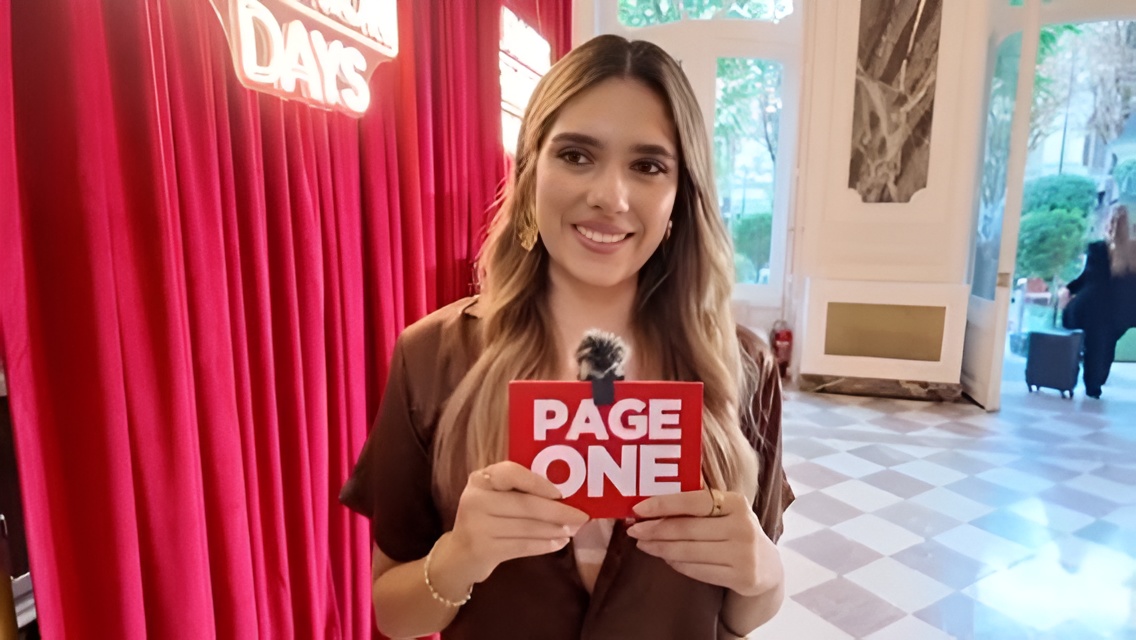
“We curated a selection of our best Latin American designers all over the world,” Vargas explains. “There’s designers and brands from Mexico, Colombia, Peru, Brazil, et cetera.”
The goal was to change how those pieces are seen. “We try to show these pieces as a new luxury,” she says, so that audiences can see “the richness of the textures and all that we have to offer to the world.”
It is a quiet challenge to how luxury is usually defined. Paris has long measured it by heritage and house names. Vargas measures it by the hand: the quality of the work and the skill behind it.
Beyond The Label
Fashion is often said to be all about the brand. Asked whether clothes can still stand on their own, Vargas did not hesitate.
“Of course, of course,” she says. “It’s always about texture and techniques. And I think we, as Latin Americans, can show very good techniques and very good quality.”
Zoriana Semeniuk, who welcomed the FashionXGlobal designers to Paris, answered the same question from a different direction. For her, the answer lies less in the fabric than in the person who makes it.
“Fashion is not [only about] brands, not about clothes,” Semeniuk says. “It’s about your identity, your real talent, your real success and what you do… every day, for each of your dreams.”
The two answers meet in the middle. One points to the craft, the other to the maker. Neither points to the logo.
Their views reflect a broader conversation in the industry about what gives clothing its value. Brand names still carry weight, especially in a city like Paris, where heritage houses have shaped the idea of luxury for generations. Yet a growing number of designers and buyers are paying closer attention to how a garment is made, where it comes from and who is behind it. For emerging designers without the backing of a famous label, that shift matters, because it gives quality, craftsmanship and personal vision a fairer chance to be noticed on their own merits.
A Stage For The Names Still To Come
That belief shapes who gets a place on the runway. Semeniuk describes FashionXGlobal as “an international fashion community that presents today 10 designers, 10 young emerging designers.”
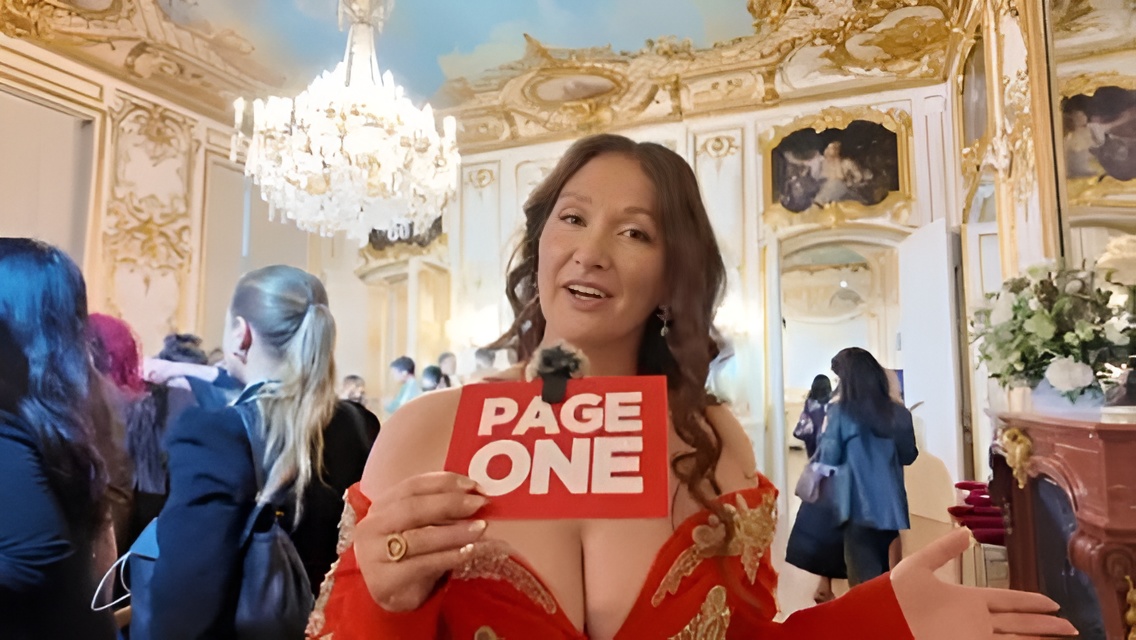
For designers without a famous label behind them, a showcase like this is a chance to be judged on the work alone: the texture, the technique and the talent Vargas and Semeniuk describe.
Semeniuk sums up what it takes to get there in one line. “Without doing, [your] dreams [do] not come true.”
In Paris this season, a group of Latin American designers did the work, and showed the world what luxury can look like without a famous name attached.
In a city built on legacy, FashionXGlobal’s showcase offered a reminder that luxury can also be measured by the hands that make it and the people bold enough to share it with the world. Through PAGEONE Media’s Fashion Correspondent Arne Gogo’s conversations with Vargas and Semeniuk, a clear picture emerges: craftsmanship, identity and persistence can carry as much weight as any famous label. The heritage houses will continue to define much of what Paris stands for, but on this runway, emerging Latin American designers made a convincing case that the next chapter of luxury may come from names the world is only beginning to learn.